
Cacio e pepe is one of Rome’s most celebrated pasta dishes, and for good reason it is the ultimate exercise in restraint and technique. Three ingredients. Three. Pasta, Pecorino Romano cheese, and black pepper. No cream, no butter added at the end, no shortcuts. Just the alchemy of starchy pasta water emulsifying with finely grated aged cheese and freshly cracked pepper to create a sauce so glossy, so silky, so deeply flavorful that it seems impossible that something so simple could taste so extraordinary.
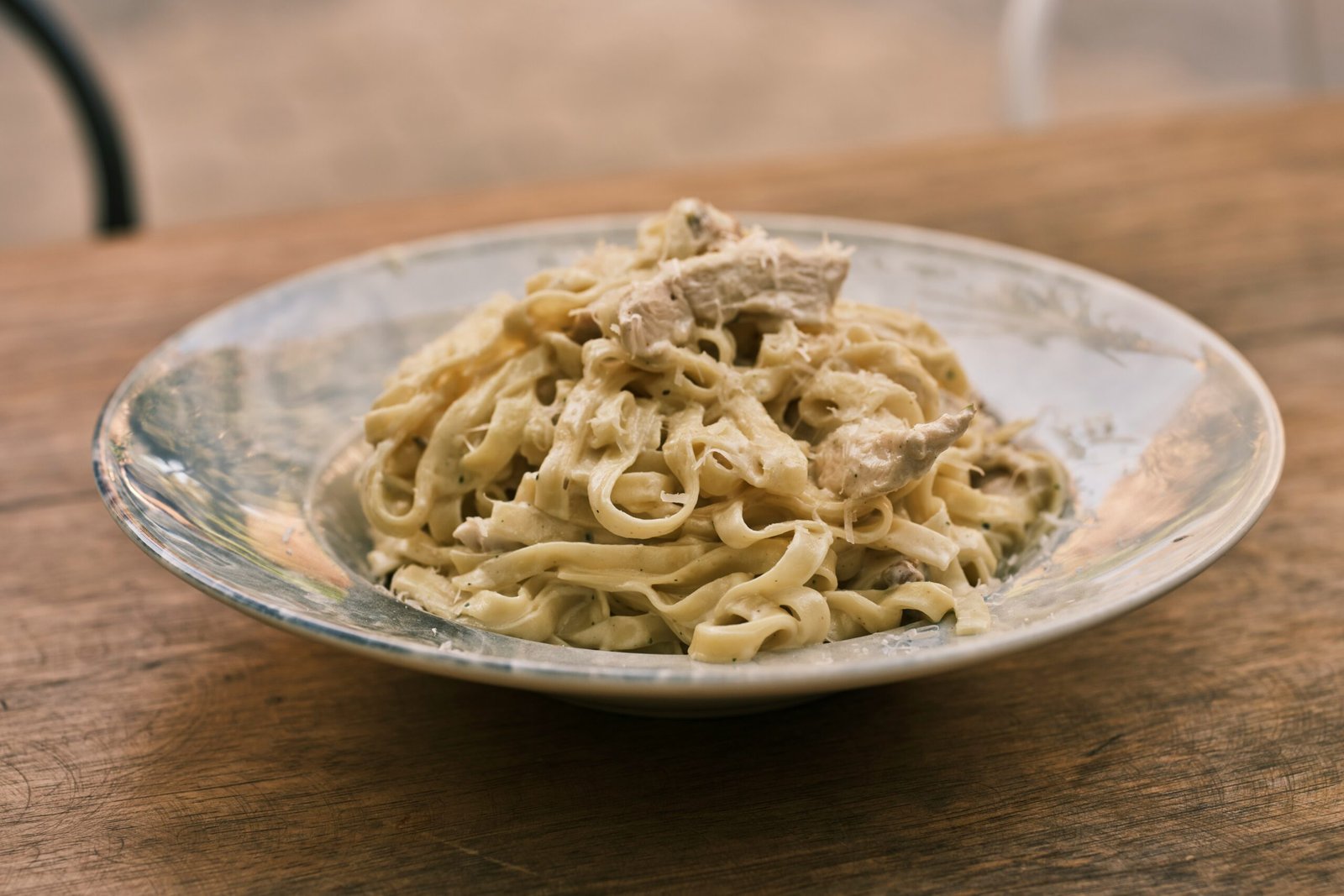
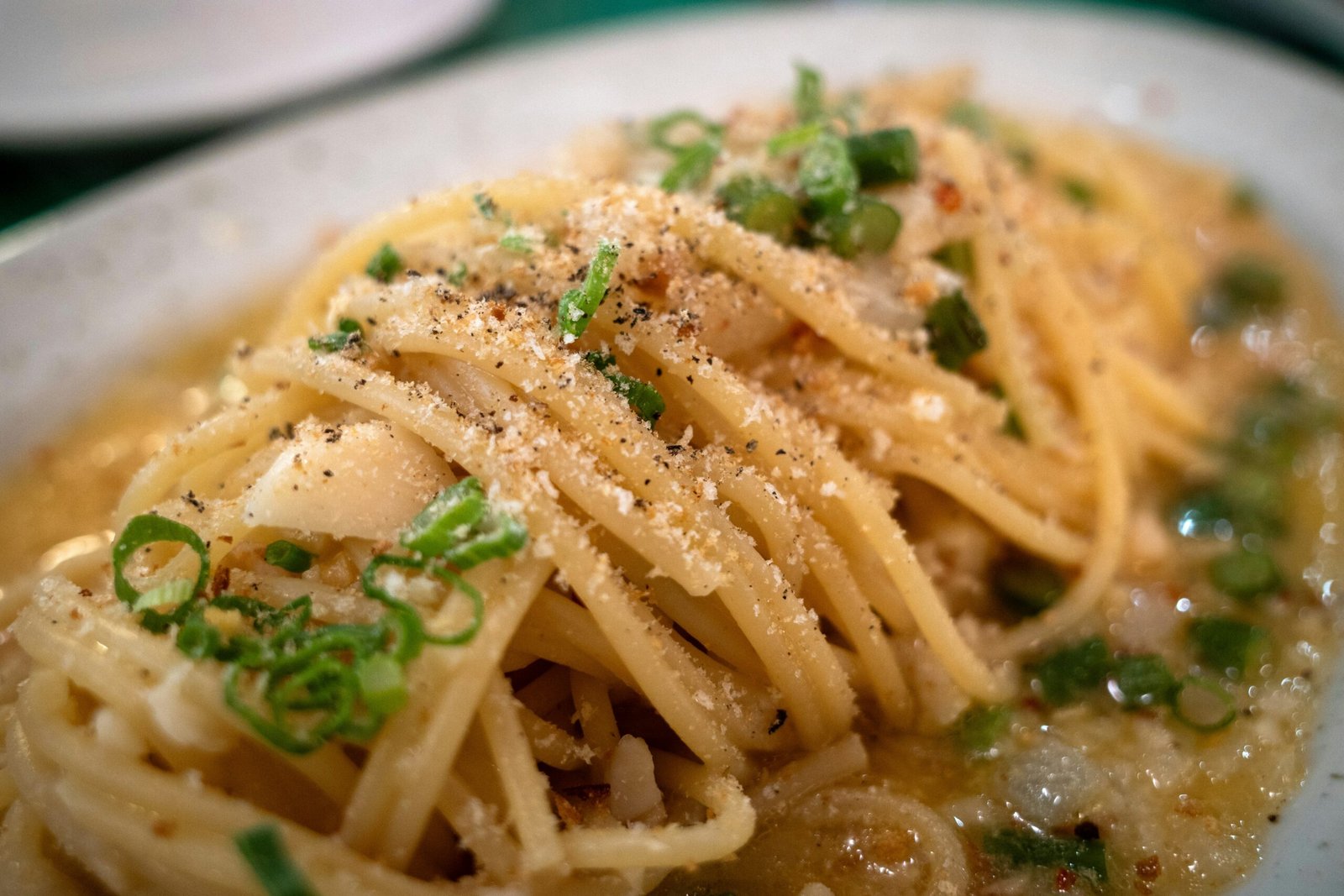
Bucatini thick, hollow spaghetti with a hole running through the center is the ideal vessel for cacio e pepe. The hollow core captures the sauce inside each strand while the rough exterior clings to the creamy cheese coating. Every single bite delivers a concentrated hit of savory, peppery, umami-rich flavor. This is pasta at its most elemental and its most glorious.
I spent years making mediocre cacio e pepe before I finally understood why it kept going wrong. The cheese would clump. The sauce would be grainy. The pepper would taste harsh rather than aromatic and warming. After researching the dish extensively, cooking it dozens of times, and consulting every Roman food resource I could find, I cracked the code. And now I want to share everything I’ve learned so you can get it right on your very first try.
The Science Behind the Perfect Cacio e Pepe Sauce
Understanding why cacio e pepe works and why it sometimes doesn’t requires a quick dip into food science. The sauce is an emulsion, similar in principle to mayonnaise or hollandaise. Starchy pasta water contains dissolved starch molecules that act as a binding agent, helping fat molecules (from the cheese) and water molecules stay combined in a smooth, cohesive sauce rather than separating into greasy clumps.
The key variables are temperature and starch concentration. If the pasta water isn’t starchy enough, there isn’t enough binding agent for the emulsion. This is why you should use a smaller pot than usual less water means more concentrated starch. If the cheese hits the pasta when it’s too hot, the proteins in the cheese seize and clump rather than melting smoothly. This is why you toss the pasta off the heat and use the residual warmth of the pan rather than direct flame to melt the cheese.
The pepper is not just a seasoning it’s the other star of the dish. Freshly cracked black pepper is toasted in the pan before the pasta goes in, which causes the volatile aromatic compounds in the pepper to bloom and become fragrant and complex. Pre-ground pepper from a jar simply cannot replicate this. Invest in a pepper grinder and crack the pepper yourself. Your cacio e pepe will thank you.
Choosing the Right Ingredients
The cheese: Genuine cacio e pepe uses only Pecorino Romano an aged sheep’s milk cheese that is sharper, saltier, and more assertive than Parmesan. Some modern versions use a 50/50 blend of Pecorino Romano and Parmigiano-Reggiano, which produces a slightly milder, more rounded flavor. I prefer the traditional all-Pecorino approach. Whatever you use, buy a block and grate it yourself on the finest holes of your grater or in a food processor. Pre-grated cheese contains anti-caking agents that will ruin your sauce.
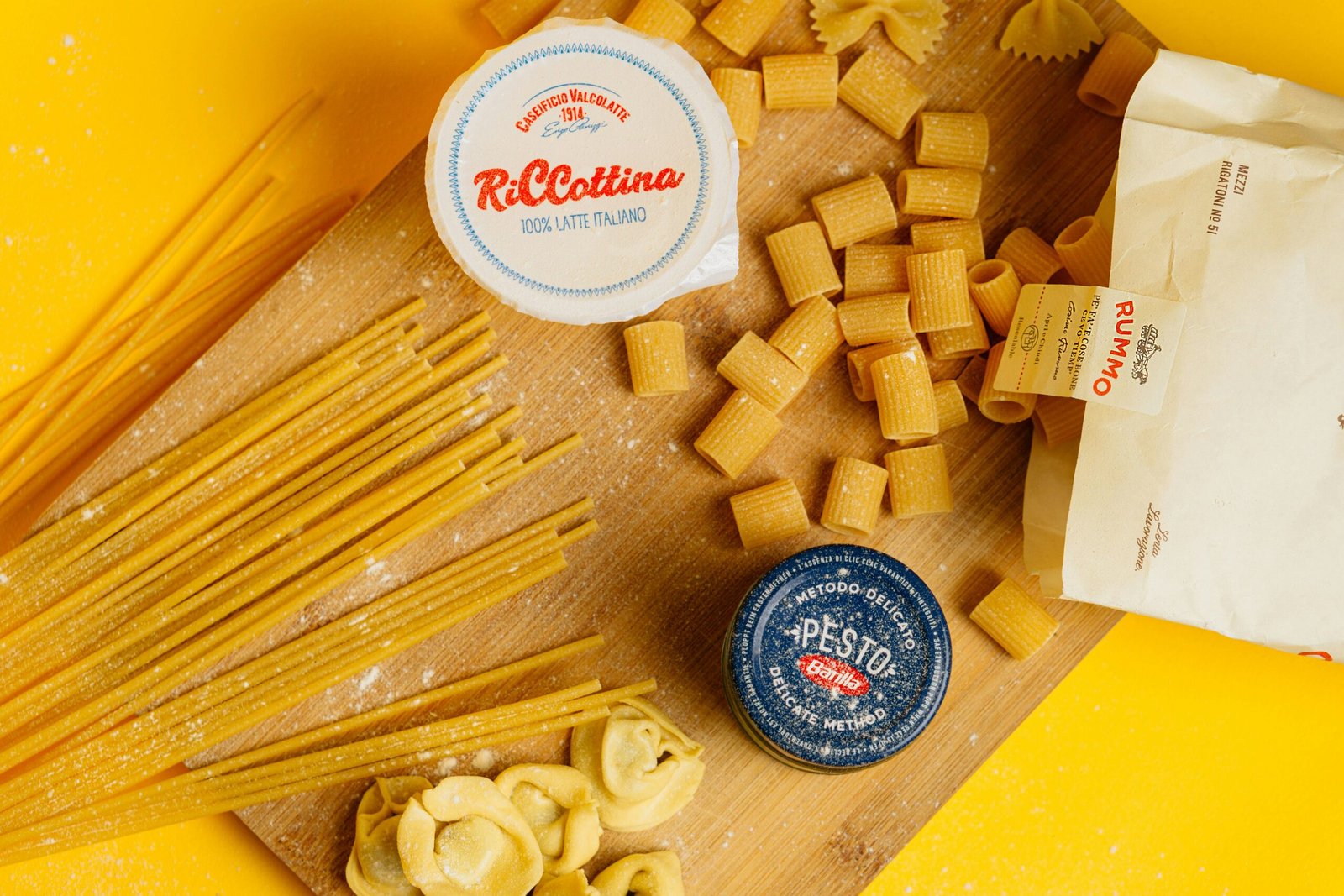
The pasta: Bucatini is traditional and ideal, but tonnarelli (square spaghetti) is what many Romans use. Spaghetti works perfectly well. Avoid egg pasta it doesn’t release as much starch and the sauce clings differently.
The pepper: Use whole black peppercorns and crack them yourself. A coarser crack is better than a fine grind you want visible pieces that provide texture and bursts of flavor. Toast the pepper in a dry pan before using it to develop its full aromatic potential.
Ingredients
- 400g (14 oz) bucatini or spaghetti, tonnarelli, or rigatoni
- 200g (7 oz) Pecorino Romano, finely grated about 2 cups loosely packed. This is more than you think you need, and it’s all necessary.
- 2 tsp whole black peppercorns, cracked coarsely in a mortar or with the bottom of a heavy pan
- Salt for pasta water the pasta water should be salted, but remember that Pecorino is very salty, so go lighter than usual
- Extra Pecorino for serving
Step-by-Step Instructions
- Set up your pasta water strategically: Bring a medium pot of water to a boil use significantly less water than normal, about 4 quarts instead of 6. This concentrates the starch. Salt lightly. Cook bucatini until 2 minutes shy of al dente according to package directions. Reserve at least 2 cups of pasta water before draining.
- Toast the pepper: While pasta cooks, add cracked black pepper to a large, wide skillet or sauté pan over medium heat. Toast, stirring frequently, for about 60 seconds until fragrant and slightly darker. You’ll smell it blooming this is exactly what you want.
- Add pasta water to the pepper: Add 3/4 cup of the hot starchy pasta water to the pepper in the pan. Let it simmer for about 1 minute, allowing the pepper flavor to infuse into the liquid.
- Prepare your cheese paste: In a bowl, combine the finely grated Pecorino with enough pasta water (about 4-5 tablespoons) to make a thick, smooth paste. It should be the consistency of very thick batter completely smooth with no lumps. Whisk vigorously.
- Finish cooking the pasta in the pan: Add the drained pasta to the skillet with the pepper water. Toss and cook over medium heat, adding pasta water a splash at a time, for about 2 minutes. The pasta will absorb some of the liquid and finish cooking while releasing more starch into the sauce.
- Add the cheese off the heat: This is the most critical step. Remove the pan from the heat entirely. Wait 15-20 seconds for the temperature to drop slightly. Add the cheese paste and toss vigorously with tongs while adding small splashes of pasta water as needed. The sauce should come together into a glossy, creamy coating that clings to every strand. If it looks grainy or separated, add more pasta water and keep tossing it will come together.
- Plate immediately: Twist portions into warmed bowls using tongs. Top with additional grated Pecorino and a generous crack of fresh black pepper. Serve within minutes cacio e pepe waits for no one.
Troubleshooting Common Problems
My sauce is clumping and grainy: The cheese got too hot too fast. Next time, make sure the pan is off the heat completely before adding the cheese paste, and add it more gradually. If it clumps this time, add more hot pasta water and toss vigorously you can often rescue it.
My sauce is too thin and watery: Keep tossing the starch needs time to thicken. Reduce a bit over very low heat, tossing constantly, for 30-60 seconds.
It tastes flat: Cacio e pepe depends on quality ingredients. Use proper Pecorino Romano (not “Romano” which can be cow’s milk) and freshly cracked pepper. Also make sure your pasta water is starchy enough.
The pasta is sticking together: This means you didn’t use enough pasta water during tossing. Always keep more warm pasta water nearby than you think you’ll need.
Serving Suggestions
In Rome, cacio e pepe is served as a first course (primo) followed by a protein. But honestly, a large bowl of this pasta with a simple green salad and a glass of crisp white wine is a complete and deeply satisfying meal. A light arugula salad dressed with lemon and olive oil cuts through the richness of the cheese beautifully.
Nutrition Information (Per Serving, Serves 4)
- Calories: 560 kcal
- Protein: 24g
- Carbohydrates: 74g
- Fat: 18g
- Fiber: 3g
- Calcium: 45% Daily Value
Frequently Asked Questions
Can I add butter? Traditionally, no. Modern versions sometimes add a knob of butter for extra richness and a more forgiving emulsion. If you’re struggling with the technique, a tablespoon of cold butter added with the cheese can help stabilize the sauce.
Can I use Parmesan instead of Pecorino? You can, but the flavor will be noticeably milder and less sharp. A 50/50 blend is a good compromise if you find pure Pecorino too intense.
How do I reheat cacio e pepe? Cacio e pepe does not reheat well the sauce breaks and becomes grainy. It’s best eaten fresh. If you must reheat, do so very gently in a pan with a splash of water over extremely low heat, tossing constantly.
Can I make this gluten-free? Use your favorite gluten-free pasta. The sauce technique is the same, though gluten-free pastas often release less starch, so the sauce may be slightly thinner.
Bucatini Cacio e Pepe
Ingredients
Equipment
Method
- Finely grate all the Pecorino Romano on a Microplane or the finest holes of a box grater. Set aside. Do not use pre-grated cheese the anti-caking agents will ruin your sauce.
- Crack whole black peppercorns coarsely using a mortar and pestle or by pressing with the bottom of a heavy pan. You want an uneven, coarse crack not a fine grind.
- Bring a medium pot of water to a boil (use less water than usual about 4 quarts to concentrate the starch). Salt lightly. Cook bucatini until 2 minutes shy of al dente. Reserve at least 2 cups of pasta water before draining.
- Add cracked pepper to a large wide skillet over medium heat. Toast for 60 seconds, stirring, until fragrant and slightly darker. You will smell the pepper blooming this is correct.
- Add 3/4 cup hot starchy pasta water to the toasted pepper. Simmer for 1 minute to infuse.
- In a bowl, combine grated Pecorino with 4-5 tablespoons of pasta water and whisk vigorously into a completely smooth, thick paste. It should have the consistency of thick batter with no lumps.
- Add drained pasta to the skillet with the pepper water. Toss over medium heat for 2 minutes, adding pasta water a splash at a time.
- Remove pan from heat entirely. Wait 15-20 seconds. Add cheese paste and toss vigorously with tongs while adding small splashes of pasta water. The sauce should become glossy and coat every strand. If it looks grainy, add more pasta water and keep tossing it will come together.
- Twist portions into warmed bowls. Top with extra grated Pecorino and a generous crack of fresh black pepper. Serve within minutes.